All Shop Finds participant in the Amazon Services LLC Associates Program, an affiliate advertising program designed to provide a means for us to earn fees by linking to Amazon.com and related sites.
What is a Moisture Barrier and Why Does It Matter?
The moisture barrier, often referred to as the skin barrier or stratum corneum, is the outermost layer of the skin that plays a crucial role in maintaining skin health. It consists primarily of lipids, ceramides, and fatty acids, which collectively work to create a protective shield. This barrier is essential, as it guards against environmental aggressors such as pollutants, bacteria, and harmful UV rays while simultaneously preventing excess water loss from the skin. When the moisture barrier is functioning optimally, the skin appears healthy, hydrated, and resilient.
One of the primary functions of the moisture barrier is to retain hydration. It acts like a sponge, locking in moisture and ensuring that the skin remains adequately hydrated. A compromised moisture barrier can lead to various skin issues, including dryness, irritation, inflammation, and even skin conditions such as eczema or psoriasis. Moreover, individuals with oily skin may also experience significant issues if their moisture barrier is impaired, as it can exacerbate acne and lead to an imbalance in oil production.
The significance of maintaining a robust moisture barrier cannot be overstated, as it is intrinsically linked to the overall integrity of the skin. A well-functioning barrier regulates skin hydration levels, prevents trans epidermal water loss, and fosters a balanced environment for skin cells to thrive. Each skin type be it oily, dry, sensitive, or combination requires specific care tailored to enhance the moisture barrier’s function. Consequently, understanding how to nurture and repair this vital barrier is essential for achieving healthy, glowing skin. By prioritizing moisture barrier health, individuals can proactively address a myriad of skin concerns, leading to a more radiant and resilient complexion.
Common Signs Your Moisture Barrier is Damaged
The moisture barrier, also known as the skin barrier, plays a crucial role in maintaining skin health by preventing water loss and shielding against environmental aggressors. When this barrier is compromised, various signs can manifest, indicating the need for immediate attention and repair. Recognizing these signs early allows for prompt intervention to prevent further deterioration of the skin’s condition.
One of the most common indications of a damaged moisture barrier is the presence of tight or flaky skin. Individuals may notice an uncomfortable tightness that can be accentuated after cleansing, often accompanied by visible flakes or dry patches. This symptom suggests that the skin is struggling to retain moisture, signaling an urgent need for hydrators or barrier-repairing products.
Another notable sign is the occurrence of burning or stinging sensations. This discomfort can arise from the use of certain skincare products, especially those that are overly abrasive or contain harsh chemicals. When the moisture barrier is impaired, the skin becomes more sensitive and reactive, leading to an increased likelihood of irritation and redness, particularly after applying products that previously posed no issues.
Sudden breakouts might also point towards a compromised moisture barrier. When the skin’s defense mechanisms weaken, it can lead to an imbalance in oil production and an increase in the risk of bacteria proliferation. Consequently, this situation may trigger acne or other forms of blemishes that can be frustrating to manage.
Lastly, dull looking skin is a prevalent sign of barrier damage. A healthy moisture barrier is essential for maintaining skin luminosity, but when it is compromised, the skin can appear lifeless and lackluster. This often indicates a buildup of dead skin cells or insufficient hydration, which can benefit from appropriate exfoliation and moisturizing treatments to restore vitality.
Causes of Moisture Barrier Damage
The integrity of the skin’s moisture barrier is essential for maintaining optimal hydration and overall skin health. Unfortunately, various factors can contribute to damage within this protective layer. One significant cause is over-exfoliating, which can arise from using potent physical or chemical exfoliants too frequently. While exfoliation is beneficial for removing dead skin cells and promoting a radiant complexion, excessive use can lead to skin irritation and weaken the moisture barrier, increasing susceptibility to moisture loss.
Another contributing factor is the use of harsh cleansers that strip the skin of its natural oils. Many commercial cleansers contain sulfates and other strong surfactants that effectively remove dirt and makeup but can also disrupt the skin’s lipid barrier. This disruption hampers the skin’s ability to retain moisture, potentially resulting in dryness and compromised skin health. It is advisable to select gentle, pH-balanced cleansers that effectively clean without causing harm.
Additionally, incorporating too many active ingredients into a skincare routine can overwhelm the skin and lead to barrier damage. While ingredients like retinoids, AHAs, and BHAs can provide anti-aging and acne benefits, using them excessively especially when combined with other potent products can irritate the skin. Striking a balance and allowing the skin time to adjust to new products is crucial for maintaining a healthy moisture barrier.
Lastly, environmental factors such as harsh weather conditions play a significant role in moisture barrier impairment. Cold or dry climates can instigate moisture loss from the skin, making it essential to employ adequate hydration and protection strategies during such conditions. Collectively, these factors emphasize the need for careful consideration in skincare practices to uphold the skin’s moisture barrier integrity.
Best Products to Repair a Damaged Skin Barrier
Repairing a damaged moisture barrier is essential for maintaining healthy skin, and choosing the right products plays a pivotal role in this recovery process. Here are five effective types of products that can help heal and restore your skin’s protective layer.
Ceramide Moisturizers: are foundational for anyone looking to restore their moisture barrier. Ceramides are lipids that naturally occur in the skin and contribute to its barrier function. Products rich in ceramides not only hydrate but also replenish the skin’s lipid content, preventing further moisture loss. Look for formulations containing ceramide 1, 2, and 3, as these are particularly beneficial for repairing damage and soothing irritation.

- Vanicream is the #1 Dermatologist recommended Brand for Sensitive Skin: Source IQVIA ProVoice Survey, 12 months ending J…
- Sensitive moisturizer: Vanicream fragrance-free daily face moisturizer is a lightweight, gluten-free moisturizer for sen…
- Mild formula: This unscented, hydrating moisturizer is formulated with 5 key ceramides, hyaluronic acid, squalane and gl…
Hydrating Toners: serve as an excellent addition to your skincare routine. These toners often contain hydrating ingredients such as hyaluronic acid and glycerin, which draw moisture into the skin. Applying a hydrating toner after cleansing can replenish lost hydration, making it easier for subsequent products to penetrate and provide maximum benefit to the skin.

- [HYALURONIC ACID & NIACINAMIDE TONER] pH balanced toner gently removes impurities after cleansing. With ceramides, hyalu…
- [ WITHOUT ALCOHOL] The alcohol free, non-astringent, and non-drying, formula leaves skin feeling balanced, soothed, soft…
- [ SENSITIVE SKIN TESTED & NON-GREASY FEEL ] Formulated with sensitive skin in mind, the hydrating and soothing formula i…
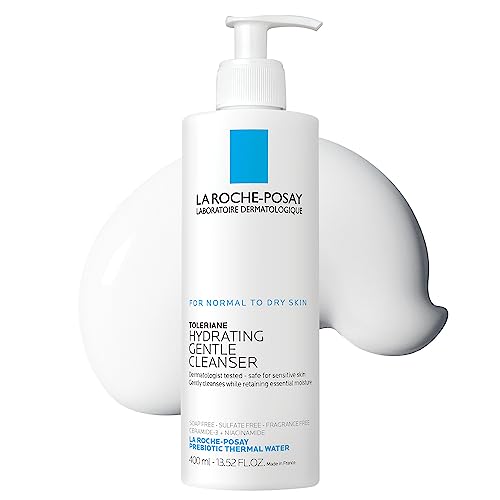
Gentle Cleansers: are crucial in avoiding further damage to your moisture barrier. Harsh cleansers can strip the skin of its natural oils, exacerbating the problem. Opt for sulfate-free, non-foaming cleansers that are free from irritants. These products help cleanse the skin without compromising its natural protective layer, allowing your skin to recover effectively.
Petrolatum-Based Sealants: such as Vaseline, are beneficial in locking in moisture. They act as occlusive agents that create a protective layer on the skin, preventing trans epidermal water loss. Using these sealants after applying moisturizers can enhance hydration and facilitate healing, especially for very dry or compromised skin.

- TRIPLE-PURIFIED VASELINE BUNDLE: Vaseline Original Healing Jelly (7.5 oz) is clinically proven to help heal damaged, cra…
- 100% WHITE PETROLATUM: Vaseline Jelly is an occlusive that creates a protective barrier on your skin, accelerating heali…
- DERMATOLOGIST-RECOMMENDED: Hypoallergenic, non-comedogenic, and fragrance-free, Vaseline Petroleum Jelly is an ideal moi…
Overnight Repair Masks: offer intensive treatment for a damaged moisture barrier. Formulated with nourishing ingredients like peptides and antioxidants, these masks can provide deep hydration and repair benefits while you sleep. Regular use can yield significant improvements in skin texture and moisture retention.
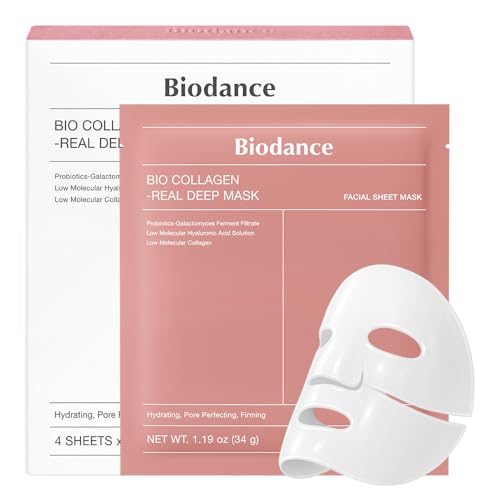
- DEEP HYDRATION: The oligo-hyaluronic acid in the Biodance Bio-Collagen Real Deep Mask provides superior moisturizing eff…
- PORE MINIMIZING & FIRMING: Ultra-low molecular collagen maximizes absorption and skin penetration. It helps refine enlar…
- BRIGHTENS THE SKIN: Formulated with Galactomyces Ferment Filtrate and Niacinamide, it improves uneven skin tone and text…
Incorporating these products into your daily skincare routine will effectively support the recovery of your damaged moisture barrier, promoting overall skin health.
Creating a Simple 7-Day Barrier Repair Routine
Repairing your skin’s moisture barrier does not need to be a daunting task. With a simple seven-day routine focused on gentle care, hydration, and nourishment, you can restore balance to your skin effectively. Begin by lightly cleansing your face each morning and evening. Choose a mild, sulfate-free cleanser that does not strip the skin of natural oils. The goal is to remove impurities without disrupting the moisture barrier, allowing your skin to retain its essential hydration.
Next, the integration of hydrating layers is imperative. After cleansing, opt for a hydrating toner or essence that contains ingredients like hyaluronic acid or glycerin. Apply this product while your skin is still slightly damp to lock in moisture. Protecting and moisturizing your skin should be the focus here, so apply a lightweight moisturizer suitable for your skin type. This will help create a barrier that minimizes trans-epidermal water loss, further supporting your skin’s recovery.
Throughout this week, incorporating ceramides into both your morning and evening skincare routines can significantly enhance the restoration of your moisture barrier. Ceramides are lipids that naturally occur in the skin, and their application can reinforce the skin’s protective layer. Look for products that list ceramides among the top ingredients and apply them after your hydrating layers to maximize their benefits.
Finally, it is important to temporarily avoid all active ingredients such as retinoids, exfoliants, and acids. This hiatus allows your skin to focus on healing and rebuilding its moisture barrier without the added stress of active treatments. Dedicate this week to nurturing and repairing, enabling your skin to absorb and benefit from the hydrating layers and ceramides more efficiently.
Tips for Maintaining a Healthy Moisture Barrier
Maintaining a healthy moisture barrier is essential for overall skin health and preventing a range of issues such as dryness, irritation, and sensitivity. To ensure your skin remains well-hydrated and protected, it is vital to adopt consistent skincare habits. Begin by cleansing your skin gently, opting for a mild, hydrating cleanser that does not strip the skin of its natural oils. Over-cleansing can compromise your moisture barrier, so aim to cleanse only once or twice daily, depending on your skin type.
Selecting the right skincare products is also crucial for the maintenance of your moisture barrier. Look for products that contain ingredients known to support skin hydration, such as hyaluronic acid, glycerin, and ceramides. These components not only help attract moisture but also replenish the natural lipids in your skin. Avoid products containing harsh ingredients like alcohol or artificial fragrances, as these can irritate the skin and lead to moisture loss.
Seasonal changes can affect your skin’s moisture levels, so it is important to adjust your skincare routine accordingly. In winter months, for example, consider using thicker creams and oils to provide an additional layer of protection against the cold, dry air. Conversely, during the warmer months, lightweight gels or lotions may be more suitable to prevent overwhelming the skin.
Hydration plays a fundamental role in supporting a healthy moisture barrier. Ensure you drink enough water throughout the day, as internal hydration reflects on your skin. Additionally, using hydrating masks occasionally can provide an extra boost. Lastly, do not underestimate the importance of sun protection. Applying a broad-spectrum sunscreen daily is essential not only to protect against UV damage but also to safeguard your skin’s moisture barrier from environmental stressors. This holistic approach can significantly enhance the health and resilience of your skin.
When to Seek Professional Help for Moisture Barrier Damage
Understanding the health of your skin’s moisture barrier is crucial, as this barrier plays a significant role in protecting against environmental stressors and maintaining hydration. While some moisture barrier issues can be managed with at-home treatments, there are distinct signs that indicate when it may be time to consult a skincare professional or dermatologist. Recognizing these symptoms early can prevent further damage and lead to more effective treatment.
One of the primary indicators that professional help is required is the presence of severe irritation. If you notice consistent redness, swelling, or a burning sensation on your skin, even after trying over-the-counter creams or changes to your routine, it is advisable to seek expert guidance. Such symptoms may be indicative of a deeper issue that necessitates specialized care.
Moreover, persistent breakouts that do not improve despite diligent skincare efforts can be another red flag. While occasional acne can be common, ongoing eruptions may signal a compromised moisture barrier and underlying problems that need professional intervention. A dermatologist can perform a thorough evaluation, providing targeted treatments that address not just the symptoms, but the root causes of the breakouts.
Additionally, if you find yourself unable to achieve relief from dryness or sensitivity with home remedies, this can be a compelling reason to reach out to a skincare expert. Sometimes, deeper underlying issues such as eczema, psoriasis, or systemic conditions may be contributing factors, and a professional can provide the necessary diagnostics and treatment plans tailored to your unique skin situation.
Ultimately, taking timely action by seeking professional help when facing serious moisture barrier damage can lead to effective solutions and improved skin health. Prioritizing your skin’s wellbeing is essential in navigating these complex skincare challenges.
Myths About the Moisture Barrier: Debunking Common Misconceptions
The moisture barrier, a crucial component of healthy skin, is often surrounded by several myths and misconceptions that can lead to confusion and ineffective skin care practices. One prevalent myth is that the moisture barrier can be repaired overnight. While certain treatments may provide a temporary boost, truly restoring the barrier requires consistent care and time. The process of healing the skin can take weeks, if not months, depending on its initial condition and the damage sustained.
Another common misconception is that oily skin does not require moisturization due to the natural oils present. In reality, even oily skin types can suffer from a compromised moisture barrier, leading to dehydration. It’s essential for individuals with oily skin to implement hydrating products that support barrier function without adding excess oil. Ignoring hydration can exacerbate issues such as acne, as dehydrated skin may overproduce oil in compensation.
A further myth is the belief that all skin care products labeled as “hydrating” are beneficial for the moisture barrier. Not all formulations contribute positively; some may contain harsh ingredients that can strain or disrupt the barrier. It’s crucial to select products designed explicitly for barrier restoration, often featuring ingredients like ceramides, fatty acids, or natural humectants that enhance skin hydration without compromising its integrity.
Moreover, some may think that exfoliation is detrimental to the moisture barrier. While excessive exfoliation can indeed cause damage, a balanced exfoliation routine is essential for maintaining healthy skin. Proper exfoliation helps remove dead skin cells and promotes cell turnover, allowing the skin barrier to function optimally. Understanding the balance and purpose of exfoliation is key to supporting skin health.
In addressing these misconceptions, individuals can make informed choices that aid in the repair and maintenance of their skin’s moisture barrier, ultimately contributing to a healthier complexion.
Conclusion
In the pursuit of achieving healthy skin, understanding the moisture barrier is paramount. A compromised moisture barrier can lead to various skin issues, such as dryness, irritation, and increased sensitivity. However, the good news is that healing it is entirely achievable through a dedicated skincare routine and the right products. By prioritizing hydration and protection, individuals can restore their skin’s natural resilience.
To support the regeneration of a healthy moisture barrier, it is essential to incorporate products that nourish and fortify the skin. Begin by selecting a gentle cleanser that eliminates impurities without stripping the skin of its natural oils. Following cleansing, apply a hydrating toner or essence that provides an additional layer of moisture. Serums rich in hyaluronic acid can effectively attract and retain moisture, making them a vital component for barrier repair.
Moreover, incorporating a reputable moisturizer that contains ceramides, fatty acids, and antioxidants can help replenish protective lipids while preventing transepidermal water loss. Look for non-comedogenic formulations that provide lasting hydration. Moreover, consider using facial oils or ointments that deliver concentrated nourishment, especially for those with extremely dry skin.
Lastly, incorporating a sunscreen formulated for your skin type is essential to shield the moisture barrier from environmental stressors and UV rays, which can further compromise skin health. Always remember that consistent application of these products will yield the best results, as establishing a routine is crucial for long-term maintenance of the moisture barrier.
In conclusion, by adhering to a thoughtful skincare routine and utilizing products formulated to heal and protect the skin, it is entirely possible to foster a strong and healthy moisture barrier. Your skin deserves the care that promotes its natural balance and resilience.