All Shop Finds participant in the Amazon Services LLC Associates Program, an affiliate advertising program designed to provide a means for us to earn fees by linking to Amazon.com and related sites.
Understanding the Importance of Scalp Health
Scalp health is an often-overlooked component of hair growth and thickness. A healthy scalp creates a nurturing environment for hair follicles, which are essential for producing strong, thick hair. Just as other parts of the body require care and attention, the scalp also demands a regimen that promotes its well-being. Factors such as proper hydration, balanced oil levels, and appropriate pH can significantly influence the scalp’s performance.
One primary issue affecting scalp health is inflammation. Conditions such as psoriasis, seborrheic dermatitis, and eczema can lead to severe irritation and discomfort. These inflammatory conditions can interrupt the natural hair growth cycle by blocking hair follicles, leading to thinning or hair loss. Thus, managing scalp inflammation is crucial for achieving desired hair thickness and promoting growth. Moreover, moisturizing the scalp can help reduce dryness, another common problem that undermines hair vitality and density.
Moreover, a healthy scalp fosters circulation, which is vital for hair follicles to receive essential nutrients. Massaging the scalp can enhance blood flow, thereby delivering nutrient-rich blood to the hair follicles and promoting overall scalp health. Regularly incorporating oils known for their nourishing properties, such as coconut or argan oil, can strengthen the scalp’s moisture barrier while providing additional nutrients necessary for healthy hair growth.
Additionally, it is crucial to note that the scalp’s microbiome plays a vital role in maintaining a balanced environment. A diverse microbiome can prevent overgrowth of harmful bacteria or fungi that may cause infections or irritations. Therefore, maintaining scalp health through appropriate cleansing, moisturization, and nourishing oils can lead to a flourishing environment where hair growth is optimized.
Common Causes of Hair Thinning and Breakage
Hair thinning and breakage are prevalent concerns that can arise due to various factors, impacting the overall health and vitality of hair. One significant factor contributing to these issues is stress. Chronic stress can disrupt the hair growth cycle, leading to increased shedding and thinning. The physiological response to stress often reduces blood flow to the scalp, affecting the delivery of essential nutrients necessary for healthy hair growth.
Another common cause is heat damage, which typically results from the frequent use of styling tools like flat irons, curling wands, and hair dryers. Excessive heat can weaken the hair shaft, resulting in brittleness and breakage. When the hair cuticle, the protective outer layer, is compromised, it becomes more susceptible to environmental aggressors, leading to further damage.
Tight hairstyles can also pose a considerable risk to hair health. Styles such as braids, ponytails, and buns, when worn too tightly, can lead to traction alopecia, a form of hair loss caused by prolonged pulling on the hair follicles. This condition can result in thinning around the hairline, emphasizing the need for varying hairstyle choices to reduce tension on the hair.
Nutrient deficiencies represent another critical element affecting hair thickness and strength. A lack of essential nutrients such as vitamins A, C, D, and E, as well as B vitamins, iron, and zinc, can hinder the body’s ability to produce healthy hair. These nutrients contribute to various biochemical processes that support hair growth, so their absence can lead to noticeable thinning and breakage.
Addressing these common causes is vital for maintaining healthy hair. A multifaceted approach that includes stress management, careful styling practices, and a balanced diet can greatly enhance hair resilience and promote growth.
Essential Oils Proven to Enhance Hair Growth
When it comes to promoting hair growth and enhancing thickness, various essential oils have garnered attention for their scientifically-backed benefits. Among these, rosemary oil stands out, as it is rich in antioxidants and has been shown to stimulate blood circulation to the scalp. This improved blood flow nourishes hair follicles, potentially resulting in thicker and faster-growing hair. A study conducted in 2015 demonstrated that rosemary oil was as effective as minoxidil, a popular hair regrowth treatment, in promoting hair growth. Incorporating rosemary oil into your hair care routine can be done by diluting it with a carrier oil and massaging it into the scalp.
Another oil known for its efficacy in hair growth is castor oil. With its high concentration of ricinoleic acid, castor oil possesses anti-inflammatory properties that can help soothe and nourish the scalp. Additionally, it is rich in omega-6 fatty acids, which promote healthy hair growth. Applying castor oil regularly not only moisturizes the hair but also strengthens its structure, reducing breakage and promoting length.
Jojoba oil is also noteworthy; it is known for its resemblance to the natural oils produced by our skin. This similarity allows jojoba oil to penetrate the hair shaft more effectively, providing essential hydration. It also helps in regulating sebum production on the scalp, thus maintaining a balanced environment conducive to hair growth. The use of jojoba oil can lead to improved hair texture and reduced dryness.
Peppermint oil, notable for its invigorating fragrance, has demonstrated a capacity for promoting hair growth due to its ability to increase blood circulation in the scalp as well. A study indicated that peppermint oil application led to a significant increase in hair follicles and hair depth compared to other treatments. Lastly, argan oil, rich in vitamin E and fatty acids, nourishes and hydrates hair, making it glossy and less prone to damage, thus continuously supporting healthy hair growth.
Top 5 Hair Growth Oils You Should Try
Achieving long, healthy hair requires not only proper hair care but also the integration of effective products that promote growth and thickness. Here, we present a curated list of the top five hair growth oils, including pre-blended oils, dropper serums, and scalp massagers. Each of these products offers unique benefits aimed at enhancing hair vitality and stimulating growth.
1. Castor Oil: Renowned for its high ricinoleic acid content, castor oil works wonders for hair growth. It is rich in omega-6 fatty acids, which help to nourish the scalp and encourage healthy follicles. Additionally, castor oil has antimicrobial properties that protect against infections, promoting a clean and healthy environment for hair growth.
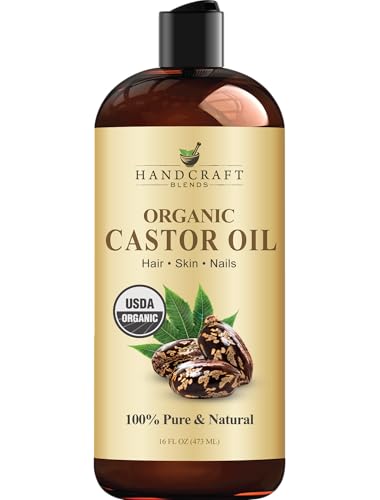
- 100% PURE & NATURAL ORGANIC CASTOR OIL IN PLASTIC BOTTLE – Our USDA organic castor carrier oil is used for essential oil…
- NOURISHING HAIR OIL – Castor Oil helps moisturize and nourish the hair shaft hydrating hair for healthier looking hair. …
- CASTOR OIL FOR EYELASHES AND EYEBROWS – Castor oil is rich in ricinoleic acid and other essential nutrients such as fatt…
2. Jojoba Oil: Often referred to as nature’s moisturizer, jojoba oil effectively mimics the sebum produced by our scalp. This characteristic allows it to deeply hydrate the hair and scalp, reducing dryness and promoting elasticity. Regular application can foster a balanced environment that encourages thicker hair growth.

- COLD PRESSED NATURAL JOJOBA OIL ORGANIC – Our USDA organic jojoba oil is extracted from the jojoba seeds using cold pres…
- NATURAL HAIR & SKIN MOISTURIZER – Its light texture and gentle touch easily absorbs into the skin to soothe and soften t…
- ANTI AGING SKIN CARE – Jojoba oil is loaded with natural vitamins E & B as well as loads of antioxidants which are belie…
3. Rosemary Oil: Famous for its stimulating properties, rosemary oil improves blood circulation in the scalp, which is vital for hair growth. It also contains antioxidants, protecting hair from damage while promoting overall health. Users often experience thicker hair when incorporating rosemary oil into their hair care routines.
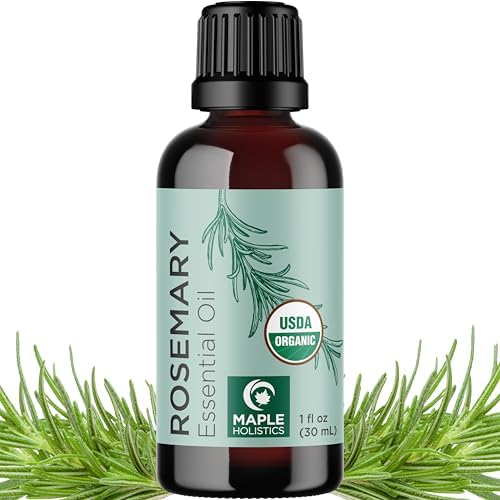
- Hair and Scalp Care – Try our pure rosemary oil organic certified natural hair oil and dry scalp oil for volumizing dry …
- Organic Face Oil – Give your face a clean boost with our rejuvenating antioxidant rich rosemary essential oil organic sk…
- Many Benefits – Reap the benefits of pure certified organic essential oils for skin use and aromatherapy to rehydrate dr…
4. Argan Oil: Rich in vitamins and essential fatty acids, argan oil is considered a luxurious treatment for hair. It provides moisture, reduces frizz, and enhances shine. Furthermore, its nourishing properties help to strengthen hair follicles, making it a preferred choice for those seeking enhanced thickness and growth.
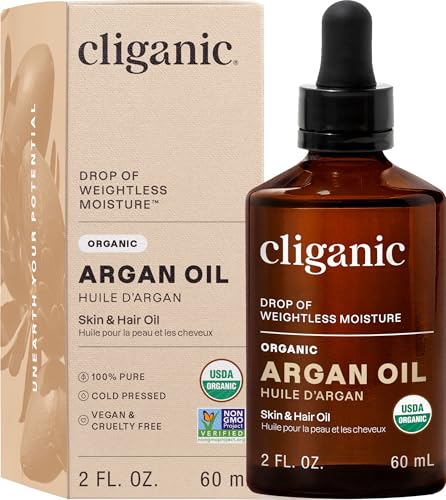
- Packaging May Vary – New look, same great product.
- Certified Organic Argan Oil – Cliganic organic argan oil is proudly USDA organic certified to ensure ultimate quality an…
- 100% Pure, Single Ingredient Oil – Cliganic organic argan oil is a single-ingredient product. No synthetic additives, ev…
5. Tea Tree Oil: Known for its ability to combat dandruff and maintain a healthy scalp, tea tree oil plays a crucial role in hair care. Its antifungal properties ensure that the scalp remains free from irritants, creating optimal conditions for hair to grow thick and healthy.
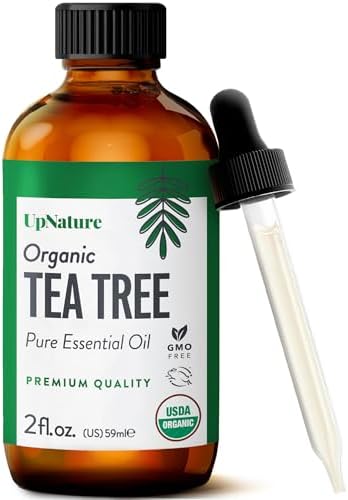
- Tea tree oil for hair & skin – UpNature organic tea tree oil is 100% pure and steam-distilled from melaleuca alternifoli…
- Soothing scalp & hair care – Add a few drops to your shampoo or conditioner to help refresh your scalp and promote soft,…
- Nourishes skin & nails – Helps support smooth skin when added to a facial cleanser or diluted with a carrier oil. Can al…
These five hair growth oils can effectively contribute to luscious locks. Incorporating them into your hair care routine may create conditions ideal for hair growth and thickness.
How to Use Oils Correctly for Maximum Results
Utilizing oils for hair growth and thickness can yield significant benefits when applied correctly. One fundamental aspect of effective oil use is the method of application. Begin by selecting a suitable oil, such as castor, olive, or coconut oil, known for their nourishing properties. To enhance absorption, warm the oil slightly, which can help open the hair cuticles and allow for deeper penetration. Once prepared, apply the oil directly to the scalp using your fingertips or a dropper, ensuring even distribution.
Massaging the oil into the scalp is critical for promoting blood circulation to hair follicles. Use the pads of your fingers to apply gentle pressure in circular motions. This technique not only stimulates growth but also relaxes the scalp, reducing tension. Aim for a massage duration of 5 to 10 minutes to maximize the effectiveness of the treatment. Moreover, integrating oils into your current hair care regimen can further enhance results. This can be done by adding a few drops of oil to your shampoo or conditioner, effectively fortifying your hair care products.
Regarding frequency, it is typically recommended to apply hair growth oils 1 to 2 times per week. However, individuals with particular scalp conditions or hair types may benefit from more frequent applications. Allow the oil to sit on your hair for a minimum of 30 minutes, although for enhanced results, consider leaving it on overnight, particularly with heavier oils like castor or olive oil. A shower cap can be used to prevent any mess while sleeping. When washing it out, use a mild shampoo to ensure complete removal, which will leave your hair feeling rejuvenated and less greasy. With consistent application and the right techniques, oils can significantly contribute to improved hair growth and thickness.
The Massage Technique for Optimal Oil Absorption
Scalp massage is an essential practice that not only facilitates the absorption of oils but also enhances overall hair health. This technique improves blood circulation to the hair follicles, which is crucial for promoting growth and thickness. By incorporating specific massage techniques into your routine, you can elevate the effectiveness of oils applied to your scalp.
To begin, it is important to select a suitable oil known for its nourishing properties, such as coconut oil, argan oil, or jojoba oil. Once the oil is prepared, apply a small amount to your fingertips rather than directly onto the scalp. This approach helps to prevent excessive oil usage and allows for better control during the massage.
One effective method is the circular motion technique. Using your fingertips, gently press onto your scalp and make small circular movements. This technique stimulates the scalp, promotes relaxation, and enables the oil to penetrate more deeply. Aim for a massage duration of at least five to ten minutes, focusing on different sections of the scalp to ensure even distribution of the oil.
Another beneficial technique involves kneading the scalp as you would dough. With your palms placed on the scalp, gently squeeze sections of the scalp, moving from the front to the back. This kneading motion not only aids in oil absorption but also activates the sebaceous glands, promoting natural oil production.
Incorporate tapping techniques by lightly tapping your fingertips all over the scalp. This method enhances blood circulation and engages the nerve endings, providing a heightened sense of relaxation. To achieve maximum relaxation benefits, consider scheduling scalp massages during moments of stress relief or as part of a bedtime routine.
By consistently practicing these scalp massage techniques, you will likely experience improved absorption of hair oils, stimulating hair growth, enhancing thickness, and promoting overall scalp health. This holistic approach can be a vital complement to any hair care regimen aimed at unlocking luscious locks.
How Often Should You Use Hair Growth Oils?
Determining the optimal frequency for applying hair growth oils is crucial for achieving desired results while maintaining scalp health. The recommended usage can vary based on individual hair types and specific conditions affecting hair growth. Generally, it is advisable to incorporate hair growth oils into one’s routine two to three times per week. This frequency allows the scalp to benefit from the nourishing properties of the oils without risking over-saturation, which could lead to clogged pores and unwanted buildup.
For individuals with fine or oily hair, less frequent application may be necessary. One to two times a week can often suffice, as excessive oil use may weigh down strands and exacerbate oiliness. In contrast, those with thicker or coarser hair types may find that more frequent applications, up to three times per week, support their hair growth goals effectively. Oils such as castor oil, coconut oil, and argan oil are well-regarded for their ability to penetrate the hair shaft and provide moisture, making their usage beneficial in promoting hair thickness.
Additionally, certain conditions may influence how often oils should be applied. For example, individuals dealing with scalp irritation or dandruff may want to space out applications to give their scalps time to recover. In such cases, using a lighter oil or diluting thicker oils with a carrier oil can be helpful. Ultimately, observing how your hair and scalp respond to treatment is essential; some may find more frequent applications beneficial, while others may prefer a more sparing approach. Tailoring the frequency of hair growth oil application to individual needs is key to unlocking the potential for lush, healthy hair growth.
Pairing Oils with Other Treatments for Better Outcomes
Combining hair growth oils with complementary treatments can significantly enhance the efficacy of these products. By synergizing the benefits of oils with various hair care formulations, individuals can experience improved results in their quest for thicker, healthier locks. One effective approach is to incorporate hair growth oils into a regular shampoo and conditioner regimen.
When selecting a shampoo, look for those containing nourishing ingredients such as biotin, keratin, or natural extracts like aloe vera or hibiscus. These components not only cleanse the scalp but also promote a healthy environment for hair growth. Adding a few drops of your chosen hair oil to the shampoo before application can infuse it with added moisture and nutrients, amplifying its impact on hair thickness.
Conditioners are another excellent medium for pairing with hair oils. A quality conditioner should provide hydration and fortify the hair shaft. Before applying your conditioner, mix in a suitable amount of hair growth oil, focusing on the mid-lengths to the ends of the hair. This technique allows the oils to penetrate deeply, reducing frizz and improving overall texture while promoting hair growth.
Additionally, using hair masks that feature natural oils can create a potent treatment for revitalizing damaged hair. Opt for masks containing ingredients such as coconut oil, argan oil, or castor oil, known for their rich fatty acid profiles that nourish the hair. For an intensified experience, warm the oil slightly before mixing it into your mask, as this can enhance absorption and effectiveness. Applying the combined mask to damp hair and leaving it on for an extended duration, ideally overnight, may yield remarkable results in terms of hair volume and vitality.
Incorporating hair growth oils with complementary treatments facilitates a holistic approach to enhancing hair health, ensuring that individuals can achieve their desired levels of hair growth and thickness more effectively.
Conclusion: Explore Curated Growth Products for Best Results
In the journey towards achieving luscious locks, it is essential to prioritize both the health of the scalp and the use of effective hair oils. Throughout this blog post, we have explored a variety of oils recognized for their potential to promote hair growth and enhance thickness, including well-regarded options like argan oil, castor oil, and coconut oil. Each of these oils offers unique benefits, such as nourishing the hair shaft, improving moisture retention, and boosting blood circulation to the scalp. Incorporating these oils into a regular hair care routine can greatly contribute to healthier, stronger hair.
Moreover, the importance of selecting high-quality hair growth products cannot be overstated. A meticulously curated selection of oils and treatment options ensures that individuals can find products that cater specifically to their hair type and growth needs. When choosing hair oils, look for those that contain natural ingredients and have been highly rated for their effectiveness. Products infused with essential vitamins and minerals may also enhance results, providing a comprehensive approach to hair care.
Ultimately, combining the power of these oils with proper scalp care creates an environment conducive to healthy hair growth. Adopting a holistic approach, which includes regular scalp massages, a balanced diet, and adequate hydration, complements the use of the selected oils. The key takeaway is that a dedicated regimen incorporating high-quality oils can significantly improve the health and appearance of your hair. Therefore, we encourage readers to explore the curated growth products discussed here, ensuring they embark on a journey toward achieving the hair of their dreams.