All Shop Finds participant in the Amazon Services LLC Associates Program, an affiliate advertising program designed to provide a means for us to earn fees by linking to Amazon.com and related sites.
Introduction to Anti-Aging: The Importance of Prevention
Anti-aging encompasses a range of strategies and products designed to slow down the visible effects of aging on the skin and body. As individuals age, the skin naturally undergoes changes that can lead to signs of aging such as wrinkles, fine lines, and loss of elasticity. However, scientific studies show that adopting preventive measures early in life can significantly mitigate these effects. Prevention is often more effective than correction; that is, addressing potential issues before they manifest can yield better long-term results.
Many people may view anti-aging solely as a concern for the elderly, but it is crucial to understand that the foundation for youthful skin is laid in our younger years. Engaging in protective practices such as using sunscreen, moisturizing regularly, and adopting a balanced diet can help preserve skin health and prevent premature aging. Additionally, incorporating products with age-defying ingredients can further enhance the skin’s resilience over time.
Skin structure changes due to various factors, including environmental exposures, lifestyle choices, and genetic predispositions. Scientific research supports the idea that the earlier one begins to implement anti-aging strategies, the more substantial the benefits will be. For instance, regular use of sun protection can prevent damage from UV rays, which are among the leading causes of premature aging. By taking proactive action now, individuals can minimize long-term effects and maintain a more youthful appearance.
In addition to topical treatments, maintaining a healthy lifestyle plays a vital role in anti-aging. Adequate hydration, a nutrient-rich diet, and proper sleep contribute to overall skin vitality. By prioritizing these practices, anyone can work towards a robust anti-aging regimen that focuses on prevention rather than correction. As we explore specific science-backed ingredients later in this blog post, it is essential to remember that integrating these into a daily routine can make a significant difference in achieving lasting youthfulness.
What Causes Visible Aging?
Visible aging is a complex interplay of various factors, each contributing to how the skin appears and operates as we grow older. One of the most significant contributors is sun exposure. Ultraviolet (UV) rays penetrate the skin, leading to damage in the DNA of skin cells. This damage can manifest as wrinkles, fine lines, and age spots, which are commonly referred to as photoaging. Chronic exposure to sunlight accelerates the skin’s aging process by diminishing its natural resilience and elasticity.
Another key factor in visible aging is the loss of collagen. Collagen is a vital protein that provides structural support to the skin. As we age, collagen production naturally declines, resulting in thinner skin and the emergence of sagging and prominent wrinkles. The reduction of this essential protein is not only a result of aging but can also be influenced by lifestyle choices, such as smoking and poor diet, which further exacerbates skin degeneration.
Slower cell turnover also plays a critical role in the visible signs of aging. The skin typically undergoes a regenerative process, shedding old cells and forming new ones. However, this process diminishes with age, leading to a buildup of dead skin cells on the surface. This buildup can create a dull appearance and accentuate fine lines and uneven skin tone. Moreover, the skin’s moisture retention capacity decreases over time, resulting in dehydration. When the skin lacks proper hydration, it can appear less plump and radiant, making the signs of aging more pronounced.
In conclusion, factors such as sun exposure, loss of collagen, slower cell turnover, and dehydration collectively contribute to the visible aspects of aging. Understanding these elements is crucial in developing effective strategies for skin care and prevention.
Science-Backed Ingredients to Combat Aging
As the visible signs of aging become a concern for many, the skincare industry has recognized the necessity of utilizing ingredients that have been proven effective through scientific research. Among these, retinol, peptides, vitamin C, and hyaluronic acid stand out as leading contenders in the anti-aging realm.
Retinol, a derivative of vitamin A, is renowned for its ability to accelerate cell turnover and stimulate collagen production. By exfoliating the outer layer of the skin, retinol promotes an even skin tone and texture while diminishing the appearance of fine lines and wrinkles. Furthermore, its capacity to penetrate deeply at the cellular level enables it to address issues such as sun damage and skin discoloration effectively.
Peptides, which are chains of amino acids, play a pivotal role in skin health by signaling the body to produce more collagen and elastin. These proteins are essential for maintaining the skin’s firmness and elasticity. When applied topically, peptides can enhance the skin’s barrier function, improving hydration and contributing to a more youthful appearance. Their versatility makes them suitable for various skin types, further bolstering their popularity.
Vitamin C, a powerful antioxidant, provides a dual benefit: it protects the skin from free radical damage caused by UV exposure while also promoting collagen synthesis. This vitamin not only brightens the skin by inhibiting tyrosinase, an enzyme involved in melanin production, but also aids in repairing damaged skin and reducing visible signs of aging.
Lastly, Hyaluronic acid, is a naturally occurring substance that has gained notoriety for its remarkable moisture-retaining properties. By binding water to its molecular structure, hyaluronic acid can enhance the skin’s hydration, resulting in plumper and more youthful skin. This ingredient is particularly beneficial for reducing the appearance of fine lines caused by dehydration.
Incorporating these science-backed ingredients into a skincare routine can significantly enhance skin health and combat the signs of aging, making them invaluable additions to any regimen focused on maintaining youthful skin.
The Role of Sunscreen in Anti-Aging
Sun exposure is one of the primary factors contributing to skin aging, often referred to as photoaging. This phenomenon manifests through the development of wrinkles, fine lines, loss of elasticity, and uneven skin tone. To combat these effects, incorporating sunscreen into a daily skincare routine is vital. The consistent application of broad-spectrum sunscreen protects the skin from both UVA and UVB rays, preventing sunburns and minimizing long-term damage.
UVA rays penetrate deep into the skin, leading to collagen breakdown and the formation of advanced glycation end products (AGEs) which accelerate aging. Conversely, UVB rays primarily cause sunburns and are significant contributors to skin cancer. Therefore, selecting a sunscreen with a minimum SPF of 30 is essential to ensure adequate protection. It is also necessary to reapply sunscreen every two hours, especially after swimming or sweating. This consistent practice can significantly reduce the risk of age-related changes.
Moreover, using sunscreen benefits not only those with specific sun damage concerns but also individuals keen on prevention. Regular application can smooth out tone and texture, as well as maintain a youthful complexion. It is important to note that incorporating sunscreen should be viewed as a holistic approach to skincare, complementing other anti-aging products containing antioxidants, retinoids, and peptides.
In addition to physical and chemical sunscreens, recent innovations like tinted sunscreens and those enriched with antioxidants provide added layers of protection. By blocking harmful rays and combating free radicals, these enhanced sunscreens further contribute to an effective anti-aging regimen. Hence, prioritizing sunscreen is crucial; it serves as a barrier against the sun’s harmful effects while promoting overall skin health and vitality.
Beginner-Friendly Anti-Aging Products
Embarking on the anti-aging journey can be daunting for newcomers. Selecting products that are both effective and gentle is crucial to preventing skin irritation while reaping the benefits of anti-aging ingredients. Here, we present a curated list of beginner-friendly anti-aging products designed for sensitive skin.
Firstly, low-strength retinol is an excellent starting point for those looking to incorporate retinoids into their skincare routine. Retinol, a derivative of vitamin A, promotes skin cell turnover and reduces the appearance of fine lines and wrinkles. For beginners, a product with a concentration of 0.25% to 0.5% is advised, as it will provide effective results while minimizing the risk of irritation. Brands such as Neutrogena and RoC offer affordable retinol creams that are gentle on the skin.
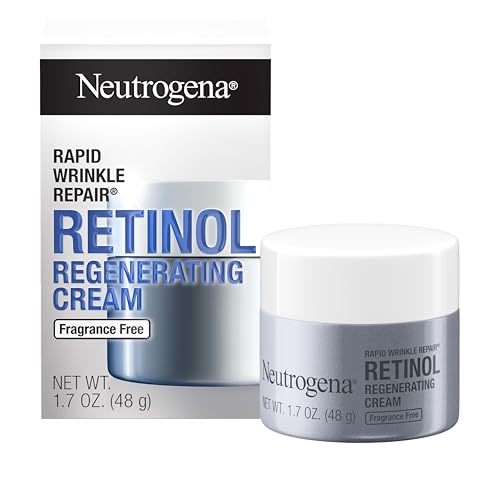
- 1.7-ounce bottle of Neutrogena Rapid Wrinkle Repair Retinol Regenerating anti-age face & neck cream moisturizer helps fi…
- Anti-wrinkle face cream contains retinol, a dermatologist-proven form of vitamin A to fight fine lines, dullness, wrinkl…
- The rich moisturizing wrinkle repair cream with clinically-proven results instantly hydrates for smoother skin & smooths…
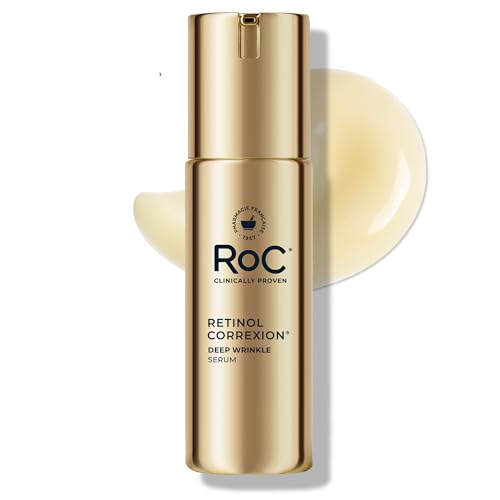
- SCIENCE & BEAUTY: We produce an array of skin care products inc SPF moisturizers,hyaluronic & niacinamide acids,facial c…
- ANTI-AGING FORMULAS: Whether you’re seeking a solution to visibly target deep wrinkles, fine lines, dark circles, crow’s…
- VISIBLY ANTI-WRINKLE SERUM TREATMENT: With RoC Retinol & RoC’s mineral complex for additional hydration & enhanced effic…
Next, gentle peptide serums can be a valuable addition to an anti-aging regimen. Peptides are short chains of amino acids that help to stimulate collagen production, leading to firmer and more resilient skin. Products containing Matrixyl or Argireline are particularly effective yet mild. For beginners, the Ordinary’s ‘Buffet’ offers a multi-peptide formula that helps to improve skin texture and elasticity without overwhelming sensitive skin.

- ADVANCED ANTI-AGING SUPPORT: Multi-Peptide + Copper Peptides 1% targets signs of aging, including fine lines and loss of…
- BOOSTS SKIN FIRMNESS: Combines five peptide technologies, amino acids, and hyaluronic acid to help promote smoother, fir…
- ANTIOXIDANT PROTECTION: Contains copper peptides, also known as GHK-Cu, to help protect the skin from environmental stre…
Brightening vitamin C serums also play an essential role in preventing signs of aging. Vitamin C is known for its antioxidant properties, safeguarding the skin from environmental damage while promoting a more even skin tone. Selecting a product with a concentration between 10%-15% can strike the right balance of efficacy and gentleness. The Paula's Choice C15 Super Booster is a great example of a potent yet beginner-friendly vitamin C serum.

- 15% PURE L-ASCORBIC ACID: 15% vitamin C gently brightens skin, improves the appearance of wrinkles & boosts glow in 15 m…
- FERULIC ACID: This antioxidant-rich face serum with ferulic acid helps defend against visible signs of aging, protects s…
- ERGOTHIONEINE: This powerful antioxidant supports skin by protecting against oxidative stress, enhancing the effectivene…
Finally, incorporating a good moisturizer is vital in any skincare routine. Moisturizers help retain skin moisture, providing a barrier against external factors that can accelerate aging. Look for hydrating ingredients such as hyaluronic acid and ceramides for effective results. Brands like CeraVe and First Aid Beauty offer moisturizers that can easily fit into an anti-aging routine.

- [ HYALURONIC ACID MOISTURIZER ] With hyaluronic acid, ceramides and MVE technology for 24 hour hydration. Rich, velvety …
- [ MOISTURIZER FOR DRY SKIN ] A deficiency of ceramides in skin can often be associated with dry skin, which can feel itc…
- [ GENTLE DAILY MOISTURIZER ] For face and body or can be used as a hand cream for dry skin relief. Holds National Eczema…
By choosing these gentle, effective products, beginners can confidently initiate their anti-aging journey while tending to their skin’s needs.
How to Build an Anti-Aging Routine Without Irritation
Creating an anti-aging skincare routine that effectively minimizes the risk of irritation is essential for maintaining healthy skin. By implementing key strategies, individuals can achieve visible results without compromising skin comfort. One of the foundational steps in developing such a routine is to start with low concentrations of active ingredients. Many popular anti-aging compounds, such as retinol or vitamin C, can cause irritation, especially when introduced suddenly. Therefore, beginning with a lower concentration allows your skin to gradually acclimatize to these active ingredients, reducing the likelihood of adverse reactions.
Another critical approach is to alternate products within the routine. Instead of applying multiple potent products daily, consider using them on alternate days or mixing them with gentler formulations. This method eases the skin into the new regimen, allowing it to recover between applications. Additionally, maintaining an awareness of how your skin reacts to different ingredients can further help tailor the routine to individual needs. Keeping a skincare diary can be particularly beneficial in this regard, as it helps you track your skin’s response and adjust your routine accordingly.
Finally, the importance of sun protection cannot be overstated. Many anti-aging ingredients can increase the skin’s sensitivity to the sun, making it crucial to incorporate a broad-spectrum SPF of at least 30 into your daily routine. Applying sunscreen daily not only protects against harmful UV rays but also aids in preventing premature aging. Additionally, reapplying sunscreen every two hours, especially during prolonged sun exposure, ensures optimal protection.
By following these guidelines starting with low concentrations, alternating products, and prioritizing SPF protection individuals can build an effective anti-aging routine that minimizes irritation while promoting youthful, healthy skin.
The Significance of Hydration in the Anti-Aging Process
Hydration is a fundamental aspect of maintaining skin health and is often considered a cornerstone in the anti-aging process. The skin, being the body’s largest organ, requires adequate moisture to function optimally. As we age, the skin naturally loses its ability to retain water, leading to dryness, dullness, and the enhancement of fine lines and wrinkles. This biological shift highlights the importance of hydrating ingredients as pivotal elements in a comprehensive anti-aging regimen.
Dehydration can significantly affect the skin’s barrier function, which protects against environmental stressors, pathogens, and moisture loss. When the skin lacks sufficient hydration, it may exhibit signs of premature aging, such as sagging, uneven texture, and a diminished glow. Furthermore, dehydrated skin can exacerbate existing skin conditions, making it imperative to prioritize hydration in skincare routines.
To combat the effects of dehydration, incorporating hydrating ingredients into an anti-aging system is essential. Hyaluronic acid, for instance, is a popular component known for its ability to hold up to 1,000 times its weight in water. This makes it exceptionally effective in plumping the skin and enhancing moisture retention. Other beneficial ingredients include glycerin, squalane, and aloe vera, all of which provide powerful hydration and contribute to a smoother, more radiant complexion.
In addition to topical applications, it is vital to maintain hydration from the inside out. Adequate water intake and a balanced diet rich in hydrating foods can further support skin health. As such, integrating both topical solutions and lifestyle changes can enhance skin hydration and improve its resilience against the signs of aging, ultimately leading to a youthful appearance.
Common Mistakes in Anti-Aging Skincare
As individuals seek to maintain a youthful appearance, it is crucial to understand the common pitfalls that can undermine their anti-aging skincare regimens. One prevalent mistake is the overuse of active ingredients, such as retinoids, alpha hydroxy acids (AHAs), and vitamin C. While these components are known for their beneficial properties in promoting skin renewal and reducing the appearance of fine lines, excessive application can lead to skin irritation, redness, and increased sensitivity. It is essential to introduce these actives gradually, allowing the skin to acclimate while monitoring for adverse reactions. A balanced approach that includes hydration and moisturization can enhance the positive effects of these potent ingredients.
Another critical oversight is neglecting the role of sunscreen in daily skincare. Many individuals mistakenly assume that anti-aging products alone can combat skin damage caused by UV exposure. However, sunscreen is a pivotal component that protects the skin from harmful rays, which can accelerate aging processes, resulting in wrinkles and uneven skin tone. It is advisable to choose a broad-spectrum sunscreen with an SPF of at least 30 and to reapply throughout the day, especially during prolonged outdoor activities.
In addition to these errors, many people often overlook the importance of a consistent skincare routine. Skipping steps or failing to adhere to a regular schedule can diminish the efficacy of chosen products. Establishing a daily routine that incorporates cleansing, exfoliating, nourishing, and protecting is vital for achieving the desired anti-aging benefits. Furthermore, maintaining a holistic approach that includes adequate hydration, a balanced diet, and proper sleep is equally important, as these lifestyle factors significantly influence skin health. By acknowledging and addressing these common mistakes, individuals can create a comprehensive and more effective anti-aging skincare regimen that promotes long-term skin vitality.
Conclusion and Recommended Routine
In the quest for effective anti-aging solutions, understanding the role of various ingredients is paramount. Throughout this discussion, we have explored several scientifically-backed components known for their potent benefits in promoting youthful skin and preventing the visible signs of aging. Ingredients such as retinol, hyaluronic acid, peptides, and antioxidants have emerged as foundational elements in skincare regimens aimed at enhancing skin elasticity, hydration, and overall vitality.
To optimize the benefits of these ingredients, it is crucial to establish a consistent skincare routine. A recommended routine might start with a gentle cleanser to prepare the skin, followed by the application of a retinol serum, which aids in cellular turnover and helps reduce the appearance of fine lines. Following this, incorporating a hyaluronic acid serum could significantly enhance skin moisture levels, promoting a plump and youthful appearance. Peptides should be included next to support the skin’s natural collagen production, reinforcing its structural integrity.
Additionally, the inclusion of antioxidants, such as vitamin C, can help mitigate the effects of environmental stressors, providing further protection against premature aging. A broad-spectrum sunscreen is essential to be applied daily, as UV protection is critical in preventing skin damage that exacerbates aging. Night creams containing intensive hydrating and reparative ingredients will work effectively to rejuvenate the skin while you sleep.
Overall, embarking on a dedicated anti-aging skincare routine armed with the knowledge of these effective ingredients allows individuals to take proactive steps towards achieving a healthier, more radiant complexion. Embracing this journey not only enhances one’s appearance but also instills confidence and empowers individuals to feel their best as they age gracefully.