All Shop Finds participant in the Amazon Services LLC Associates Program, an affiliate advertising program designed to provide a means for us to earn fees by linking to Amazon.com and related sites.
Understanding Hyperpigmentation
Hyperpigmentation is a common skin condition characterized by the darkening of certain areas of the skin compared to the surrounding areas. This darkening occurs due to an increase in melanin production, the pigment responsible for skin color. Various factors can trigger this excess melanin production, leading to the formation of dark spots or patches that can affect individuals of all skin types.
The underlying mechanisms that contribute to hyperpigmentation are multifaceted. One of the primary causes is sun exposure, where ultraviolet (UV) radiation damages the skin and stimulates melanocytes, the cells responsible for melanin production. Prolonged exposure to the sun can lead to sunspots, also known as solar lentigines, which are a type of hyperpigmentation. In addition to UV exposure, hormonal changes, particularly those related to pregnancy or contraceptive use, can induce melasma, a form of hyperpigmentation that often presents as brown or gray-brown patches, primarily on the face.
Another significant factor influencing hyperpigmentation is inflammation. Conditions such as acne, eczema, or psoriasis can result in post-inflammatory hyperpigmentation (PIH), where the skin darkens after healing from an injury or inflammatory event. This form of hyperpigmentation is notably challenging to treat as it requires addressing the initial inflammation while also promoting skin healing and reducing melanin production.
Furthermore, genetic predisposition can play a role in the likelihood of developing dark spots. Some individuals may be more susceptible to hyperpigmentation due to inherited skin conditions. Overall, while effective treatments are available, the complexities surrounding hyperpigmentation often make it difficult to treat swiftly, necessitating a comprehensive approach tailored to the individual’s specific condition and skin type.
Causes of Dark Spots
Dark spots, often referred to as hyperpigmentation, can arise from a multitude of factors, each contributing to the discoloration of the skin. One primary cause of dark spots is post-acne marks, which occur when the skin heals from acne lesions, leaving behind pigment irregularities that can persist for months. The inflammation and damage caused by acne can trigger an overproduction of melanin, leading to these stubborn marks that many individuals strive to fade.
Sun exposure is another significant contributor to the development of dark spots. Ultraviolet (UV) rays stimulate the skin’s production of melanin as a natural defense mechanism, resulting in areas of hyperpigmentation, especially on sun-exposed areas of the body like the face and hands. Over time, prolonged sun exposure can worsen the appearance of these spots, making prevention through sun protection essential.
Hormonal changes, particularly those linked to pregnancy or contraceptive use, can also trigger dark spots in some individuals. This condition, often referred to as melasma, typically appears as brown or grayish patches on the face. Hormonal fluctuations can increase melanin production, accentuating the risk of developing hyperpigmentation.
Additionally, skin trauma can lead to dark spots. This encompasses not only injuries but also procedures like chemical peels or laser treatments. After the initial healing process, the skin can retain dark marks as a result of inflammation or injury, illustrating how vital it is to take care when applying aggressive treatments. Overall, understanding these causes plays a crucial role in identifying appropriate products and methods for fading dark spots effectively.
Key Ingredients for Fading Discoloration
Dark spots, or hyperpigmentation, can be a frustrating skin concern, but certain key ingredients have been shown to effectively reduce their appearance. Understanding how these components work can help individuals make informed choices about their skincare products.
One of the most renowned ingredients for fading discoloration is Vitamin C. This potent antioxidant not only brightens the skin but also inhibits melanin production, which contributes to dark spots. Regular application of Vitamin C serums can lead to a more even skin tone and improved texture.
Niacinamide, a form of vitamin B3, is another ingredient celebrated for its skin benefits. It helps to illuminate the skin while reducing the appearance of uneven skin tone. Niacinamide has the added benefit of enhancing the skin’s barrier function, making it a versatile option for all skin types.
Alpha Arbutin, a naturally occurring derivative of hydroquinone, is effective in reducing melanin production with a lower risk of irritation. It is a gentle yet potent option for those seeking to fade dark spots without the side effects associated with stronger agents.
Azelaic Acid is an effective treatment for hyperpigmentation and is particularly beneficial for individuals with sensitive or acne-prone skin. It works by disrupting the process of melanin production in the skin and can also reduce inflammation, leading to a clearer complexion.
Incorporating exfoliating acids like glycolic or salicylic acid can also enhance skin cell turnover. By sloughing off dead skin cells, these acids help to reveal fresher, brighter skin underneath, thereby reducing the appearance of dark spots over time.
Finally, using sunscreen daily is crucial when addressing dark spots. Sun exposure can worsen discoloration, making it vital to protect the skin from harmful UV rays to ensure the efficacy of fading treatments.
These ingredients are scientifically backed by research and clinical studies, underscoring their effectiveness in combating dark spots and promoting a healthier, more radiant complexion.
Top Dark Spot Correcting Products
The presence of dark spots can lead to an uneven skin tone and diminish one’s confidence. Fortunately, several products are available that have demonstrated effectiveness in correcting these pigmentation issues. Below is a curated list of top dark spot correcting products, categorized into vitamin C serums, niacinamide serums, gentle exfoliators, and daily sunscreens.
Vitamin C Serums
Vitamin C serums are renowned for their brightening properties and ability to reduce the appearance of dark spots. They work by inhibiting melanin production and promoting skin cell turnover. Notable options include Skin Ceuticals C E Ferulic and La Roche-Posay Pure Vitamin C Face Serum. These formulations not only target hyperpigmentation but also provide antioxidant protection against environmental stressors.

- This facial serum hydrates and enhances radiance, making it an ideal self care gift for women & men. It tackles wrinkles…
- Anti Aging Serum: Concentrated with pure vitamin C and hyaluronic acid, this serum visibly reduces wrinkles and refines …
- Skin Brightening Serum: Enriched with vitamin C and salicylic acid, this serum boosts skin brightness and clarity, ideal…
Niacinamide Serums
Another effective ingredient in the realm of dark spot correction is niacinamide. Known for its anti-inflammatory properties, niacinamide helps to diminish the appearance of dark spots while also improving overall skin texture. The Ordinary Niacinamide 10% + Zinc 1% and Paula’s Choice 10% Niacinamide Booster are two highly recommended products. These serums can be easily incorporated into any skincare regimen, enhancing skin brightness and reducing uneven pigmentation.
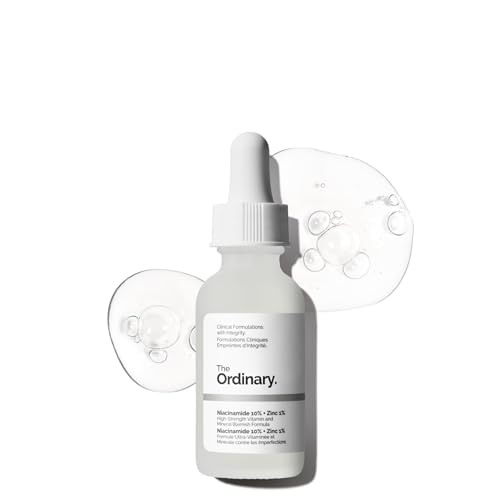
- BOOSTS BRIGHTNESS & SMOOTHNESS: Niacinamide 10% + Zinc 1% visibly improves skin radiance and smooths texture in one week…
- HYDRATING FORMULA: Lightweight water-based serum that reinforces the skin barrier and provides hydration in as little as…
- CONTAINS NIACINAMIDE & ZINC PCA: High 10% concentration of Niacinamide (Vitamin B3) and 1% Zinc PCA to help control oil …
Gentle Exfoliators
Exfoliation is crucial to removing dead skin cells that can trap pigmentation. Gentle exfoliators containing alpha hydroxy acids (AHAs) and beta hydroxy acids (BHAs) can promote brighter skin. Products like Paula’s Choice Skin Perfecting 2% BHA Liquid Exfoliant and Drunk Elephant T.L.C. Sukari Babyfacial are effective options. These formulations work to reveal fresher, more even-toned skin while minimizing the risk of irritation associated with more aggressive exfoliation methods.

- GENTLE NON-ABRASIVE LEAVE-ON EXFOLIANT: With 2% BHA (Beta hydroxy acid), to unclog & diminish enlarged pores, exfoliate …
- LIQUID FACE EXFOLIANT: Dramatically improves skin’s texture for radiant youthful even-toned skin. Beta hydroxy acid (BHA…
- HYDRATE, BRIGHTEN & SMOOTH FINE LINES: Our unique, non-abrasive, leave-on face exfoliant is gentle enough for daily use …
Daily Sunscreens
Finally, the importance of daily sunscreen cannot be overstated when addressing dark spots. Ultraviolet (UV) rays can exacerbate hyperpigmentation, making it vital to shield the skin from sun exposure. Recommended products like EltaMD UV Clear Broad-Spectrum SPF 46 and Neutrogena Ultra Sheer Dry-Touch SPF 100 offer comprehensive skin protection. Regular and consistent use of sunscreen is essential to prevent further darkening of existing spots and to support overall skin health.
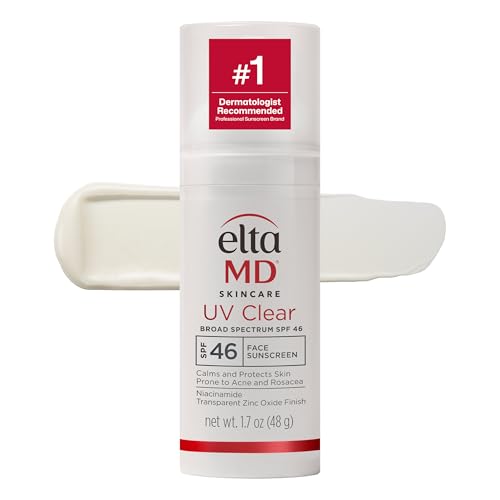
- CLEAR SUNSCREEN FOR FACE: This lightweight face sunscreen with transparent Zinc Oxide provides broad spectrum SPF 46 pro…
- FOR NORMAL, ACNE-PRONE, AND SENSITIVE SKIN TYPES: UV Clear uses an oil-free, non-comedogenic formula that’s designed for…
- SUITABLE FOR HYPERPIGMENTED SKIN: Contains Niacinamide which helps to visibly improve skin tone and reduce the appearanc…
Building a Brightening Routine Safely
Incorporating dark spot treatments into your skincare routine can yield significant benefits but must be approached with caution to ensure skin health. One of the paramount steps before applying any new product is conducting a patch test. This simple procedure involves applying a small amount of the product to a discreet area of skin, typically on the inner forearm. By doing so, you can monitor for any adverse reactions, such as redness or irritation, which may indicate an allergy or sensitivity to the ingredients present.
When addressing dark spots or hyperpigmentation, it is advisable to adhere to the principle of introducing one active ingredient at a time. This approach allows you to pinpoint which specific ingredient is effective for your skin and reduces the likelihood of irritation. Common active ingredients aimed at brightening the skin include vitamin C, glycolic acid, and niacinamide, each known for their efficacy against dark spots. By focusing on one product, you simplify understanding how your skin reacts, enabling a safer transition to a more comprehensive regimen.
Moreover, to minimize the risk of skin irritation, it is crucial to incorporate these potent treatments gradually. Start with a lower concentration of active ingredients and increase usage frequency only once you ascertain your skin’s tolerance. It is also advisable to use dark spot treatments in the evening, as certain compounds can increase photosensitivity. Following up with broad-spectrum sunscreen during the day is essential, as sun exposure can exacerbate dark spots and counteract the efficacy of brightening products. By applying these guidelines, you can safely foster a brightening skincare routine that enhances your skin’s tone without compromising its integrity.
The Importance of Sunscreen
Preventing new dark spots and protecting the skin from further damage are critical components of an effective skincare routine, especially for those addressing hyperpigmentation issues. At the forefront of this prevention strategy is sunscreen, an essential product that offers numerous benefits for skin health. Daily application of sunscreen helps shield the skin from harmful ultraviolet (UV) rays that can exacerbate existing dark spots and contribute to the formation of new hyperpigmentation. Throughout the day, even on overcast days, UV rays can penetrate the skin, leading to unwelcome effects such as uneven tone and darkening of existing spots.
Beyond its protective qualities, sunscreen is crucial for individuals actively treating their dark spots. Many treatments for hyperpigmentation, like chemical peels or topical retinoids, can make the skin more sensitive to sun exposure. This susceptibility underscores the necessity of incorporating a broad-spectrum sunscreen into the daily regimen. Products with a sun protection factor (SPF) of at least 30 are recommended, as they provide adequate defense against both UVA and UVB rays, minimizing the risk of further pigmentation.
It is also worth noting that sunscreen should not be viewed as a one-time application. To maintain optimal protection, it must be reapplied throughout the day, especially in case of prolonged sun exposure. This proactive approach not only prevents the formation of new dark spots, but it also aids in the effectiveness of any hyperpigmentation treatments one may be using. As a result, integrating sunscreen into daily skincare routines is paramount for anyone looking to effectively fade dark spots and enhance overall skin health.
Consistency is Key
When addressing the concern of fading dark spots, consistency in the application of targeted products is paramount. Dark spots, also known as hyperpigmentation, require time and commitment to see noticeable improvement. Typically, results can begin to manifest within four to six weeks of daily use; however, the extent of improvement may vary based on individual skin types and the severity of hyperpigmentation. Therefore, it’s crucial to establish a dedicated skincare routine that incorporates a treatment regimen for fading dark spots.
Utilizing a combination of products that contain potent ingredients, such as vitamin C, niacinamide, or glycolic acid, can enhance the effectiveness of your efforts. Consistency allows these active ingredients to work synergistically, gradually breaking down melanin deposits and promoting cell turnover. This systematic approach to skincare not only improves the efficacy of the products but also helps to establish a rhythm that supports long-term skin health.
Moreover, it is essential to apply these products as part of a regular regimen, integrating them into both your morning and evening routines. This persistence not only increases the chances of achieving visible results but also reinforces the habit of taking care of your skin. Skipping applications can lead to inconsistent results and might prolong the timeline for fading dark spots. Additionally, keeping track of your progress can help motivate you to adhere to your routine, facilitating a better understanding of what works best for your skin.
In conclusion, committing to a consistent use of dark spot fading products, along with proper application techniques, is vital to achieving the desired results. By maintaining this dedication, individuals can expect to see gradual improvement, leading to smoother and more even-toned skin over time.
Tracking Your Progress
Tracking the fading of dark spots on your skin is essential to assess the effectiveness of treatments and make any necessary adjustments. One effective method is photographic documentation. By taking consistent photographs, ideally under similar lighting conditions, you can visually compare your skin’s appearance over time. It is advisable to take these photos every two weeks to monitor gradual changes. When capturing images, focus on the areas with dark spots and ensure that the camera is held at the same angle for consistency. The visual comparison will provide a clear perspective on the progress being made.
In addition to photography, conducting regular skin assessments can also be beneficial. This involves systematically examining and documenting the size, color, and texture of dark spots. Consider using a skincare journal to record your observations. Include details such as the products used, application frequency, and any visible changes. For a more structured approach, you may rate the darkness or prominence of each spot on a scale from one to ten, with one being barely noticeable and ten being very dark. This quantitative method can help you measure progress effectively.
It is crucial to approach this progress tracking with patience. Fading dark spots is a gradual process, typically taking several weeks or even months, depending on various factors such as skin type, the severity of the pigmentation, and the chosen treatment methods. Regular tracking can serve as a motivational tool, reminding you of your commitment and the improvements made, whether subtle or significant. Furthermore, by documenting your journey, you can better discuss your progress with skincare professionals, who can offer additional guidance or modifications to your regimen to enhance results.
Conclusion and Recommended Products
Fading dark spots is a common concern for many individuals seeking an even skin tone and a more radiant complexion. Throughout this discussion, we have explored the various causes of dark spots, including sun exposure, aging, and hormonal changes. Understanding these factors is vital for effective treatment, as it allows individuals to select products that target their specific concerns. Consistency in skincare routines is emphasized as the key to achieving significant results. Products that contain effective active ingredients such as vitamin C, niacinamide, or retinoids can promote skin renewal and gradually diminish the appearance of dark spots.
In addition to topical treatments, sun protection plays a critical role in preventing dark spots from re-emerging. Daily application of broad-spectrum sunscreen can safeguard against UV damage, thereby helping to maintain the results achieved through targeted treatment products. Moreover, adopting a skincare regimen that includes exfoliation can enhance product absorption, allowing fading agents to penetrate deeper into the skin.
For those looking for effective solutions, several recommended products can facilitate the fading of dark spots. These include serums, creams, and treatments formulated explicitly to target hyperpigmentation. Noteworthy options consist of products infused with licorice extract, alpha arbutin, and glycolic acid. Each of these ingredients has been demonstrated to combat dark spots efficiently. By integrating these into a daily routine while remaining diligent in sun protection, users can achieve noticeable improvements over time.
Ultimately, the journey toward fading dark spots requires patience and dedication. By leveraging the insights provided and exploring the recommended products linked within this post, individuals can take informed steps towards enhancing their skin’s appearance and embracing a clearer, more luminous complexion.